Vrischika Sankranti marks the transition of the Sun into the Vrischika Rashi (Scorpio), and it is considered an important spiritual phase in the Hindu calendar. This monthly sankranti holds deep significance for devotees seeking renewal of energy, removal of obstacles, and blessings for progress in life. As the Sun enters Scorpio, a sign associated with transformation, inner strength, and deep emotions, the day becomes ideal for meditation, charity, and divine worship.
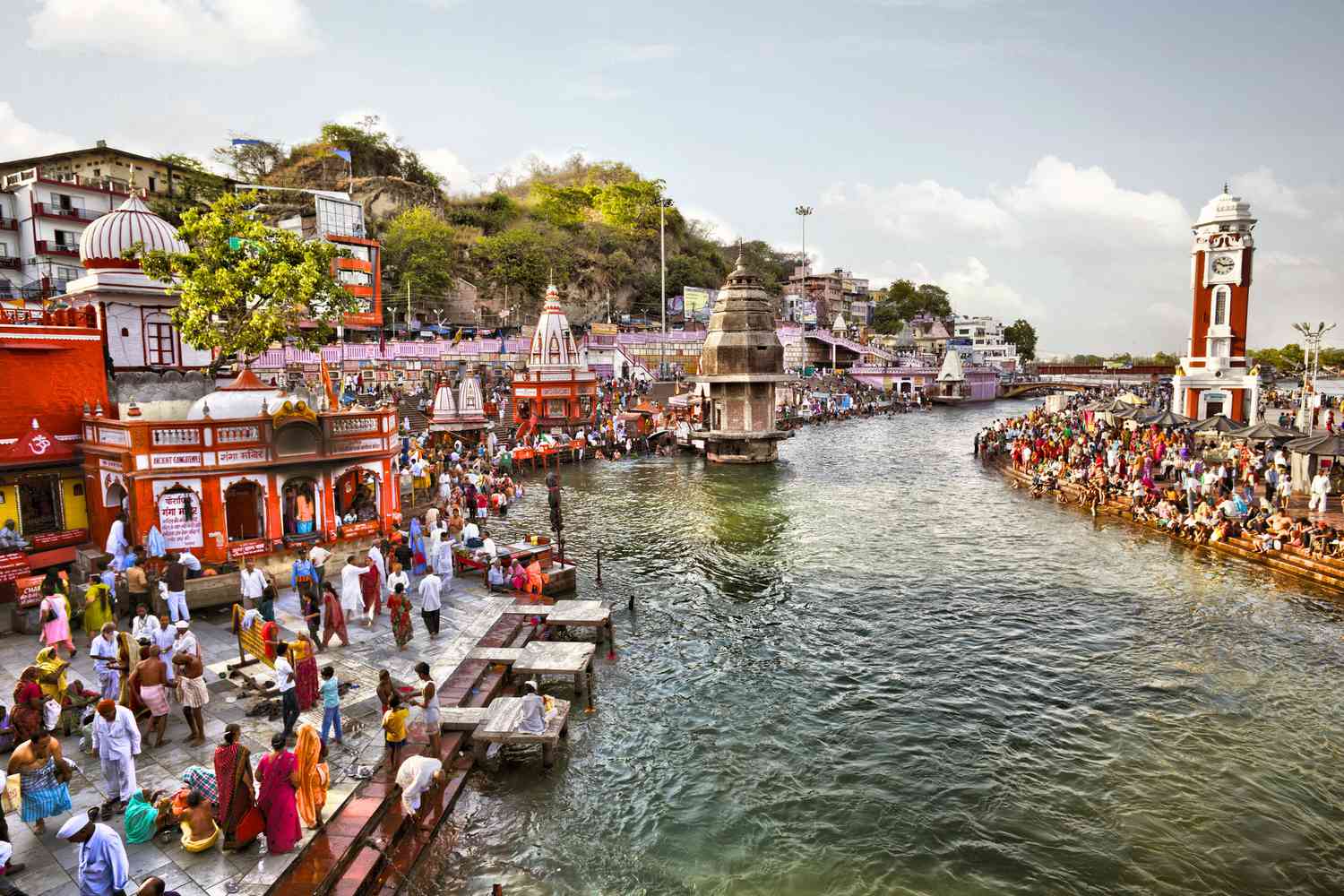
On Vrischika Sankranti, people take a holy bath in sacred rivers—especially the Ganga, Yamuna, and Narmada—believing that the ritual washes away impurities and helps one begin a new spiritual cycle. Devotees also perform Surya Arghya, offering water to the rising or setting Sun while chanting mantras for health, vitality, and protection from negative energies.
Temples conduct special pujas dedicated to Lord Surya, Lord Shiva, and Goddess Ganga. Many pilgrims visit holy places like Haridwar, Kashi, and Prayagraj to perform tarpan, charity, and ancestral rituals. Offering sesame seeds (til), jaggery, ghee, and warm clothes to the poor is believed to bring great merit, especially during the colder month governed by Scorpio.
Vrischika Sankranti is also a time for introspection. As per Vedic astrology, this transit enhances determination, inner awakening, emotional cleansing, and spiritual discipline. People pray for strength to overcome challenges and for clarity to move forward in life.
Performing Daan-Punya, feeding Brahmins, offering food to cows, lighting a diya with sesame oil, and reciting Surya Mantras or Aditya Hridaya Stotra further enhances the auspiciousness of this day.
Overall, Vrischika Sankranti marks a spiritually powerful transition, guiding individuals towards inner balance, purification, and divine blessings. It is a beautiful reminder to embrace new beginnings, let go of negativity, and invite light, health, and prosperity into life.