Blog

  • Daksha Prajapati Temple

    Daksha Prajapati Temple

    Daksha Prajapati Temple is one of the most sacred and historically significant temples in Haridwar. Located in the holy town of Kankhal, the temple is dedicated to King Daksha, the father of Goddess Sati. This temple marks the divine site where the legendary story of Sati, Lord Shiva, and Daksha Yajna took place. Rich in history, spirituality, and devotion, Daksha Temple is a must-visit for every pilgrim exploring Haridwar.

    The temple beautifully preserves the ancient history of Haridwar and is visited by thousands of devotees who come to offer prayers and seek blessings.

    Mythology & History

    According to Hindu scriptures, King Daksha organized a grand yajna but did not invite his daughter Sati and Lord Shiva.

    Hurt by this insult, Goddess Sati self-immolated at this very spot.

    Enraged, Lord Shiva destroyed Daksha’s yajna, and Daksha was later given back his life with a goat’s head.

    This temple is built to honor the place where this major event of Hindu mythology occurred.

    The temple was reconstructed in the 19th century by Queen Dhankaur.

    Key Attractions Inside the Temple

    Shivalinga Shrine – Dedicated to Lord Shiva.

    Yajna Kund – Represents the original Daksha Yajna site.

    Idols of Daksha Prajapati & Sati Mata

    Peaceful Ganga Canal View

    Ancient temple architecture with sacred symbols

    Temple Timings

    Morning: 6:00 AM – 12:00 PM

    Evening: 3:00 PM – 8:00 PM

    Why Visit Daksha Prajapati Temple?

    A major mythological site of Hindu history

    Peaceful and spiritually energizing environment

    Beautiful temple architecture

    Perfect place for meditation and prayer

    Important pilgrimage spot in Haridwar’s Kankhal region

    Nearby Attractions:

    Dudhadhari Barfani Temple

    Maa Vaishno Devi Temple (Haridwar)

    Bholagiri Ashram

    Har Ki Pauri

    Mansa Devi Temple

    Facilities at the Temple

    Shoe stand

    Drinking water

    Prasad shop

    Clean and peaceful surroundings

    Sitting area for devotees

    Nearby market for essentials

  • Pawan Dham

    Pawan Dham

    Pawan Dham is one of Haridwar’s most beautiful and unique temples, known for its stunning glass and mirror artwork. Built by the Geeta Bhawan Trust, this temple attracts thousands of visitors every day for its divine atmosphere, artistic interiors, and peaceful surroundings. A perfect blend of spirituality and craftsmanship, Pawan Dham is a must-visit for anyone exploring Haridwar.

    Pawan Dham is a sacred Hindu temple dedicated to various deities, especially Lord Krishna. The temple is famous for its intricate mirror work, colorful glass carvings, and beautifully designed idols, making it one of the most visually appealing temples in Uttarakhand.

    The entire temple shines with decorative glass pieces that reflect light beautifully, creating a vibrant, peaceful, and divine ambiance. Devotees come here to offer prayers, while tourists visit to admire its impressive art and architecture

    Key Attractions at Pawan Dham

    Mirror & Glass Artwork – Walls and ceilings decorated with colorful glass pieces.

    🪔 Beautiful Idols – Artistically carved idols of various Hindu deities.

    🌈 Colorful Interiors – Temple interiors glow with light reflections and vibrant patterns.

    📸 Photography-Friendly – A popular spot for visitors to take beautiful pictures.

    🙏 Peaceful Prayer Area – Calm and serene environment for meditation and worship.

    Temple Timings

    Morning: 6:00 AM – 12:00 PM

    Evening: 4:00 PM – 9:00 PM

    Facilities Available

    Shoe stand

    Drinking water

    Prasad counter

    Clean premises

    Parking area nearby

    Ideal for senior citizens

  • Shantikunj

    Shantikunj

    Shantikunj is the international headquarters of the All World Gayatri Pariwar and a global center for spiritual awakening, moral education, and cultural upliftment. Located near Haridwar on the banks of the holy Ganga, Shantikunj is known for its peaceful environment, disciplined lifestyle, and powerful energy that inspires millions to follow the path of goodness and divinity.

    A center built on the ideals of Pt. Shriram Sharma Acharya and Mata Bhagwati Devi Sharma, Shantikunj works for the betterment of humanity and the restoration of ancient Indian values.

    About Shantikunj

    Shantikunj is a unique spiritual campus established in 1971, dedicated to the revival of Indian culture, Vedic knowledge, and social reform. It houses Gayatri Temple, Yagya Shala, Dev Sanskriti Vishwavidyalaya, and residential training centers.
    People from all over the world visit Shantikunj to participate in spiritual training camps, meditation sessions, yoga programs, and cultural workshops.

    The environment of Shantikunj promotes inner peace, positivity, and a disciplined way of living based on the principles of Simple living and High thinking.

    History of Shantikunj

    Established by Pt. Shriram Sharma Acharya, the founder of Gayatri Pariwar.

    Started as a small campus and later expanded into an international spiritual center.

    Developed with the aim to revive Sanatan values, Gayatri Sadhana, and Yagna tradition.

    Today, it serves as a lighthouse for millions seeking spiritual guidance, moral strength, and peaceful living.

    Connected with various social movements including women empowerment, environmental awareness, and youth leadership.

    Key Attractions Inside Shantikunj

    Gayatri Temple – Dedicated to Goddess Gayatri.

    Yagya Shala – Daily yagya rituals and meditation.

    Dev Sanskriti Vishwavidyalaya – University promoting holistic education.

    Spiritual Gardens – Peaceful spaces for walking and meditation.

    Acharya Sriji Memorials – Dedicated to the founders.

    Training Camps – For yoga, meditation, life management, and personality development.

    Activities at Shantikunj

    Daily Gayatri Yagya

    Meditation & Pranayama Sessions

    Yoga Camps

    Moral & Spiritual Training

    Community Service & Social Awareness Programs

    Satsang & Spiritual Discourses

    Personality Development Camps for Youth

    Timings

    Opening Time: 5:00 AM

    Closing Time: 10:00 PM

    Entrance is free, and visitors are welcome every day.

    Facilities at Shantikunj

    Clean, peaceful campus

    Free guided tours

    Accommodation for course participants

    Canteen & pure vegetarian food

    Bookstore with spiritual literature

    Meditation halls

    Yagya and satsang areas

    Parking facilities

  • Mansa Devi Temple

    Mansa Devi Temple

    Mansa Devi Temple is one of the most sacred Shakti Peeths in Haridwar, dedicated to Goddess Mansa, the fulfiller of wishes. Situated atop Bilwa Parvat, the temple offers breathtaking views of Haridwar city and the holy Ganga flowing below. Thousands of devotees visit daily to seek blessings, tie sacred threads for their wishes, and experience divine peace.

    Why Visit Mansa Devi Temple?

    Sacred Shakti Peeth of Goddess Mansa

    Ropeway (Udan Khatola) for a scenic ride

    Holy place for wish fulfillment

    Stunning panoramic view of Haridwar

    Peaceful environment surrounded by nature

    About Mansa Devi Temple

    Mansa Devi Temple, also known as Bilwa Tirth, is one of the most revered temples in Uttarakhand. Goddess Mansa is believed to be a form of Shakti born from Lord Shiva’s mind, representing power, strength, and wish fulfillment. Devotees tie a sacred thread on the sacred tree of the temple, believing that Maa Mansa fulfills every true wish. Once the wish is granted, devotees return to untie the thread as a token of gratitude.

    The temple is easily accessible by ropeway or a short trek, offering spiritual bliss combined with natural beauty.

    History of Mansa Devi Temple

    The temple is part of the Panch Tirth in Haridwar.

    Built during the rule of the Gorkha Kings in the early 19th century.

    Goddess Mansa is considered the sister of Nag Devta and a form of Shakti.

    The temple has been a major pilgrimage site for devotees seeking blessings and wish fulfillment for centuries.

    Connected spiritually with Chandi Devi Temple and Maya Devi Temple (Haridwar ki Trikuta Parvat Shakti Peeths).

    Temple Darshan & Puja Services

    Daily Rituals & Aarti

    • Morning Aarti: 5:30 AM – 7:00 AM
    • Afternoon Puja: 12:00 PM – 2:00 PM
    • Evening Aarti: 6:00 PM – 7:30 PM

    Best Time to Visit

    October to March – Pleasant weather for travel

    Navratri Festival – Special celebrations and pujas

    Shravan Month – High spiritual significance

  • Har Ki Pauri

    Har Ki Pauri

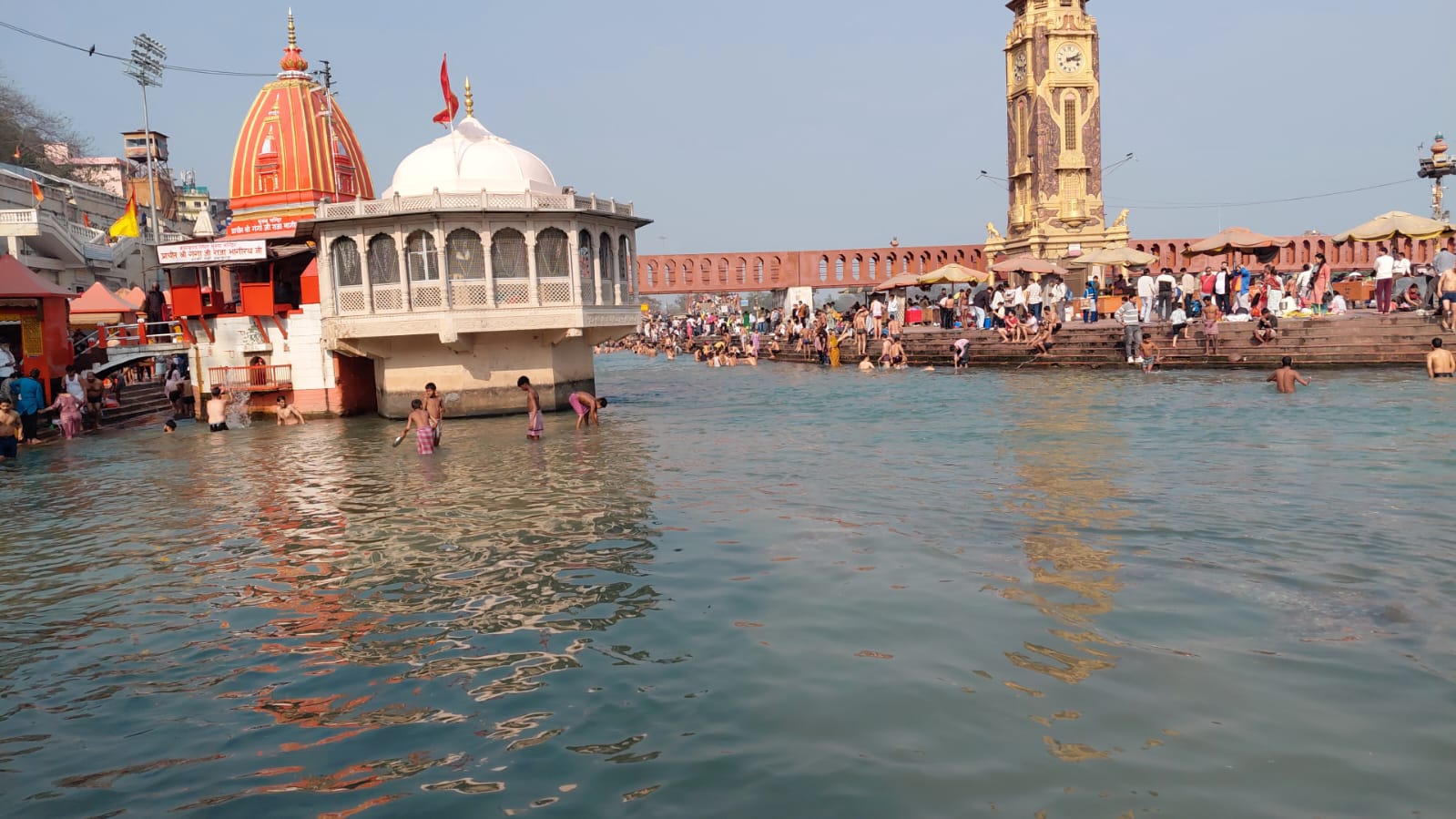
    Har Ki Pauri is the most sacred and iconic ghat of Haridwar, located on the banks of the holy River Ganga. It is believed to be the spot where Lord Vishnu left his footprints, making it a spiritually powerful place for devotees. The ghat is famous for its daily Ganga Aarti, where thousands gather to witness the mesmerizing sight of lamps, chants, and the sparkling river flowing gently. Whether you seek spiritual peace, cultural experience, or divine blessings, Har Ki Pauri offers a magical and unforgettable atmosphere for every visitor.

    Rishikesh, Uttarakhand – August 03 2016: Priests in red robe in the holy city of Rishikesh in Uttarakhand, India during the evening light ceremony called Ganga arthi to worship river Ganga / Ganges.

    Haridwar’s Most Famous Ghat

    Har Ki Pauri is the most renowned and sacred ghat of Haridwar, known for its powerful spiritual aura and divine connection with the holy River Ganga. Devotees visit this ghat for holy snan, peaceful prayers, and the world-famous Ganga Aarti that lights up the entire atmosphere every evening. A must-visit place that truly represents the soul of Haridwar.

    Where Faith Meets the Holy Ganga

    At Har Ki Pauri, millions gather every day to connect with the divine presence of Maa Ganga. The sacred waters, the peaceful ambiance, and the traditional rituals make this ghat a symbol of hope, purity, and devotion. The evening aarti here is one of the most beautiful spiritual ceremonies in India.

  • Hello world!

    Welcome to WordPress. This is your first post. Edit or delete it, then start writing!